
How Thick Should My Wetsuit Be? A P&B Guide
When sailing, surfing, or participating in any other water sports, a wetsuit is the perfect clothing to keep you warm and protect you from the often harsh impact of the water. You should feel comfortable in both movement and temperature when donning your wetsuit, which is why it’s so important to know how thick yours should be.
Choosing how thick your wetsuit should be ultimately depends on the time of year and the conditions you’ll face in the water. At P&B, our years of experience and wealth of knowledge on wetsuits make us the go-to source for all things sailing clothing. Follow our guide to sail in confidence with the appropriate suit.

Table of contents
- How is wetsuit thickness measured?
- Wetsuit thickness by temperature and season
- How should a wetsuit fit?
- Other wetsuit thickness factors
- Wetsuits at P&B
How is wetsuit thickness measured?
Wetsuit thickness is measured in millimetres (mm), and our wetsuits at P&B are between 1 and 4 mm thick. Getting your wetsuit thickness right is crucial to ensuring you’re adequately supported and protected in the water. Reaching top performance can be difficult when you’re hampered by being either too cold or too warm, as conditions can vary between the two extremes throughout the year.
Neoprene suits are designed to insulate your body while in the water. A thin layer of water is kept between the neoprene and your body so your body can heat up the water. The neoprene traps this warmth using its small, air-filled cells. As with most clothing, a thicker wetsuit allows for more warmth to be generated.
Wetsuit thickness by temperature and season
Your comfort in the water is paramount when it comes to your wetsuit. If you’ve been out on a hot day and used the same wetsuit you use in the winter, you may find that you’re too warm when sailing or surfing and struggle to reach top performance due to discomfort. Similarly, if you wear a wetsuit that is too thin during winter, your body may not be able to properly insulate the water trapped between your skin and the suit.
A 1 or 2 mm wetsuit should be suitable for the summer, allowing you comfort and freedom of movement in the water without overheating. Consider layering up with 1 mm suits, as we all know too well how deceiving the British summer can be. Early spring and autumn may require a slightly thicker suit of 3 mm to ensure you’re adequately protected without feeling constructed or too hot.
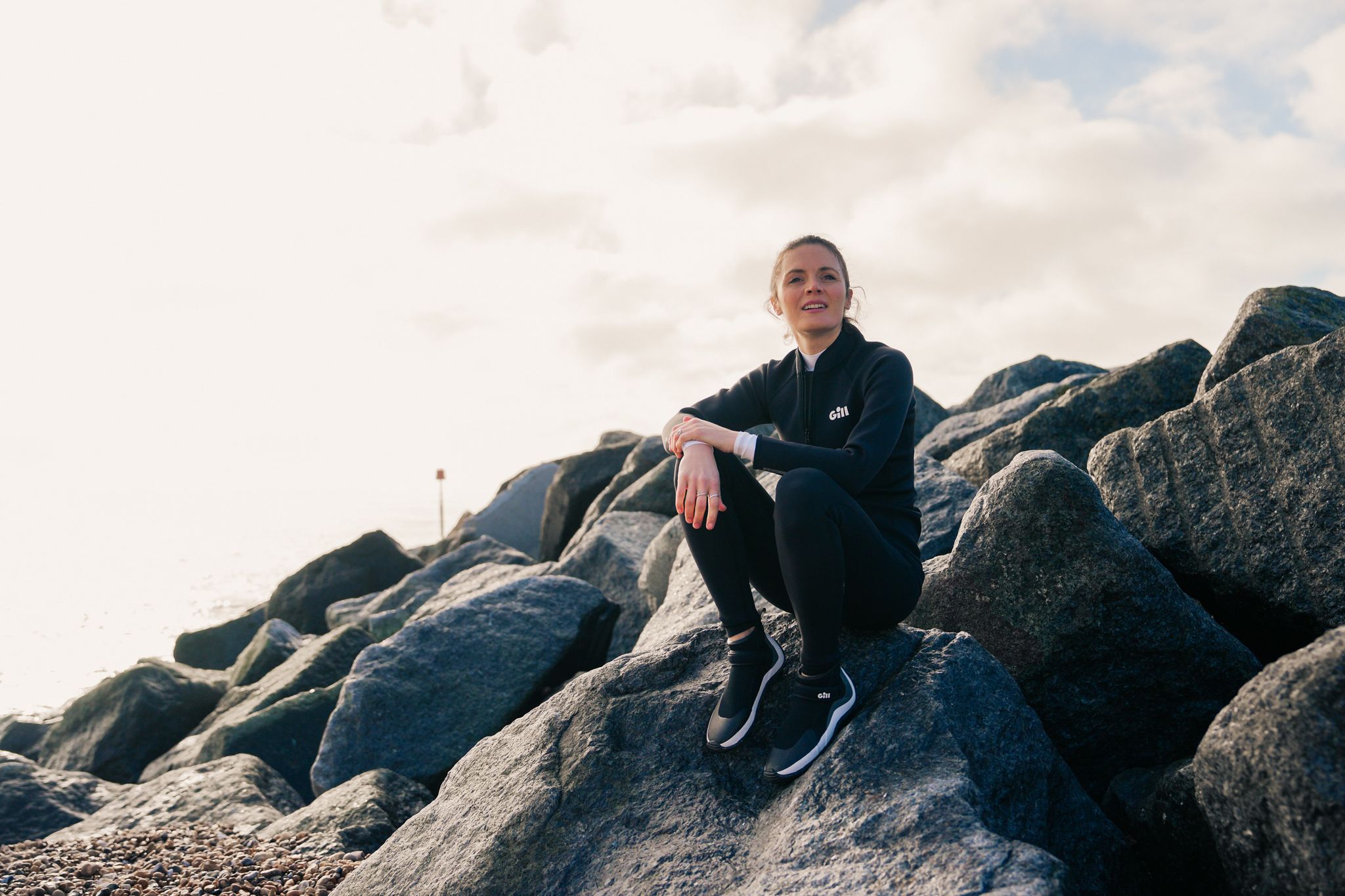
When winter arrives, thickness is a necessity. Choose a 4 or 5 mm suit and consider additional clothing, such as thermal base layers, to ensure you’re fully protected against the harsh weather.
Consult our table below for a reference point on what temperature matches each wetsuit thickness.
| Wetsuit thickness | Temperature (°C) | Season |
| Rash tops + leggings + UV protective layers of SPF50 | 25°+ | Summer |
| 1mm wetsuit + UV rash guard | 20°-24° | Summer |
| 2-3mm wetsuit + | 15°-19° | Spring/Summer |
| 3mm wetsuits + thermal base layers + Spray Top | 10°-14° | Spring/Autumn |
| 4-5mm wetsuits + thermal base layers + Thermal Spray Top | 5°-9° | Autumn/Winter |
| 5mm wetsuits + thermal base layers + Thermal Spray Top | 4° and below | Winter |
In addition, we advise wearing headwear to block UV rays from the neck, face, and scalp while offering warmth and insulation in cooler conditions. We also recommend UV-protective sunglasses in all weather conditions, spray tops to eliminate wind chill, and thermal spray tops in cooler months.
Gloves are always essential, but thermal neoprene gloves in the winter offer protection from damage and insulation. The same can be said for sailing boots and socks. Always layer up as necessary.
How should a wetsuit fit?
Tight but comfortable is the rule of thumb regarding how your wetsuit should fit. There needs to be a slight gap between skin and neoprene to allow a pocket of water in for insulation. However, if that pocket is too big, your body may not be able to effectively heat up the water, and you’ll get too cold.
If the somewhat restrictive nature of traditional wetsuit necks prevents you from getting comfortable, layering up with a Long John/Skiff Suit can offer you more flexibility.
Consider how freely you move in the suit, as you don’t want to feel restricted when aiming for top performance in your chosen sport or activity. Thickness is not the most important factor in how a wetsuit fits. Consult our thorough size guide to ensure you get the right fit so you can take on the water confidently.
Other wetsuit thickness factors
Water temperature is key when choosing the thickness of your wetsuit, but there are other things to consider. For example, depending on how much of your activity involves being in the water, you may require a slightly thicker or thinner suit. A surfer will spend a lot of time amongst the waves, so in cold water and warmer air temperatures, they would prefer a thicker suit.

A sailor will ideally keep their body out of the water for the most part, so they may opt for a thinner suit when the air is warm despite the sharp and cold water surrounding them. Of course, everyone knows their own body best and how easily they warm up or get chilly. So be sure to test and find your preferences for committing to a wetsuit that can work year-round.
It’s worth noting that both sea and inland water temperatures can vary greatly. Inland temperatures fluctuate wildly, so it’s important to prepare for any and all conditions.
Wetsuits at P&B
Now you’ve developed a better understanding of what thickness you require for a wetsuit, browse our vast range of top-quality suits from leading worldwide manufacturers. Experience innovative technology in action with suits from the likes of Zhik, Gill and Musto that will keep you comfortable at all times, helping you perform to the best of your ability.
We stock excellent wetsuits for women, men and children so everyone from individual sailors to family sea lovers can enjoy the wonders of water sports in complete comfort. Contact our expert team at P&B for any further advice on wetsuits or other sailing clothing.
Comments are closed here.